

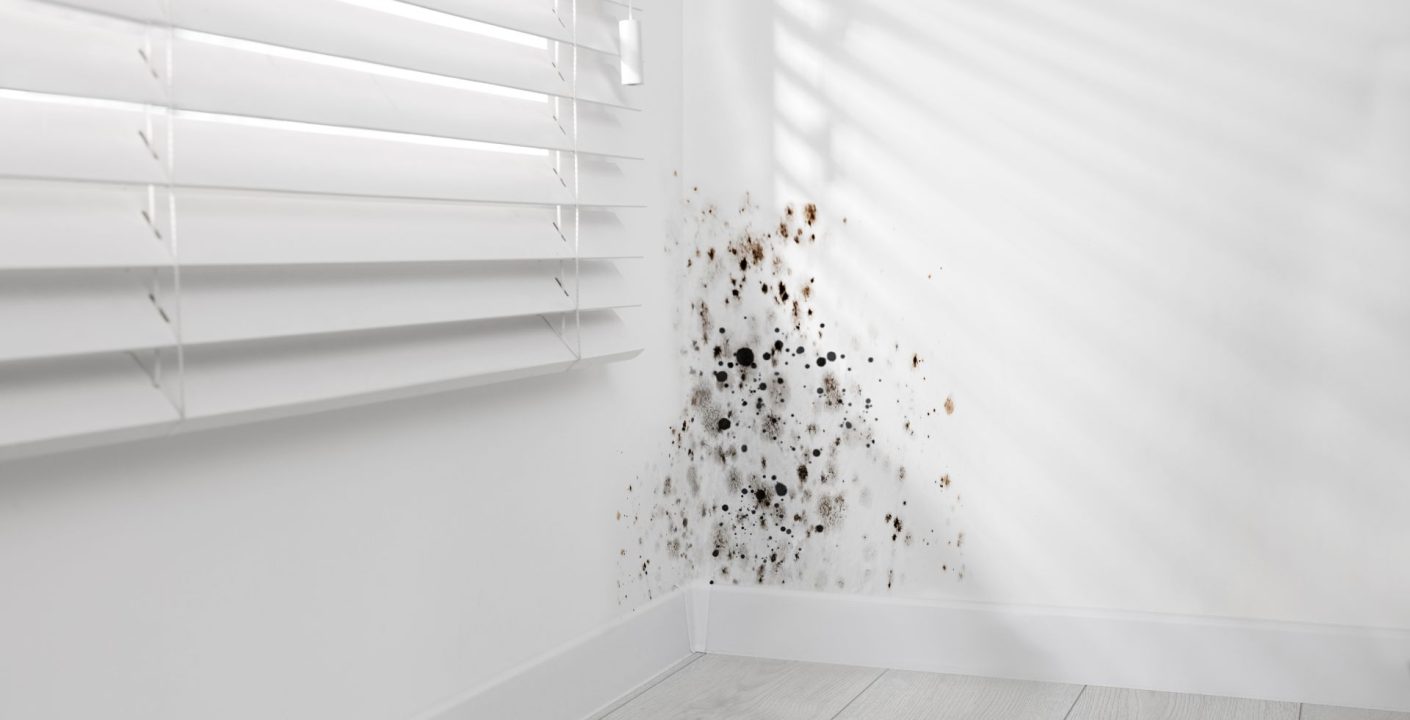
When homeowners discover timber decay within their property, one of the first questions they often ask is whether they’re dealing with dry rot or wet rot. While both can cause significant damage to timber structures, they are very different problems that require different approaches to treatment.
At North West Dry Rot LTD, we regularly help homeowners across Liverpool and the North West identify, treat, and prevent timber decay. Understanding the differences between dry rot and wet rot can help you spot the warning signs early and protect your property from costly repairs.
What is Dry Rot?
Dry rot is a form of fungal decay caused by the fungus Serpula lacrymans. Despite its name, dry rot actually requires moisture to begin growing. Once established, however, it can spread rapidly through timber and even travel across masonry in search of new timber sources.
Dry rot is often considered the more serious of the two forms of timber decay because of its ability to spread beyond the original source of moisture.
Common Signs of Dry Rot
- Cracking timber with a cuboidal appearance
- Shrinking and brittle wood
- Large fungal growths
- Cotton wool-like mycelium
- Rust-coloured spore dust
- Damp or musty odours
Dry rot can often remain hidden within floors, roof spaces, wall cavities, and other concealed areas until significant damage has already occurred.
What is Wet Rot?
Wet rot refers to several types of fungal decay that occur when timber remains exposed to excessive moisture over a prolonged period.
Unlike dry rot, wet rot generally remains confined to the area directly affected by moisture and does not spread through masonry.
Wet rot is commonly caused by:
- Roof leaks
- Plumbing leaks
- Faulty guttering
- Condensation issues
- Poor ventilation
- Penetrating damp
Common Signs of Wet Rot
- Soft or spongy timber
- Darkened wood
- Localised timber decay
- Cracking along the grain
- Damp smells
- Visible moisture problems
Although wet rot is usually less aggressive than dry rot, it can still cause significant structural damage if ignored.
Key Differences Between Dry Rot and Wet Rot
Spread
Dry rot can spread beyond the original moisture source and travel through building materials in search of additional timber.
Wet rot remains localised to the damp area and generally stops spreading once the moisture source is removed.
Severity
Dry rot is often considered more destructive due to its ability to spread rapidly through a property.
Wet rot is usually easier to contain but can still cause extensive damage if left untreated.
Moisture Requirements
Dry rot can continue spreading once established, even if moisture levels fluctuate.
Wet rot requires consistently high moisture levels to survive.
Treatment
Dry rot treatment often involves more extensive remedial work, including removal of affected timber, masonry treatment, and moisture control measures.
Wet rot treatment generally focuses on eliminating the moisture source and replacing damaged timber where necessary.
Why North West Homes Are at Greater Risk
Properties throughout Liverpool and the North West are particularly vulnerable to timber decay due to:
- High annual rainfall
- Older housing stock
- Coastal weather conditions
- Damp and condensation issues
- Ageing roofing and guttering systems
These factors can create the ideal conditions for both dry rot and wet rot to develop if moisture problems are not addressed promptly.
How to Prevent Timber Rot
The best defence against both dry rot and wet rot is controlling moisture within your property.
Helpful preventative measures include:
✅ Repair roof leaks promptly
✅ Maintain gutters and downpipes
✅ Improve ventilation
✅ Address condensation issues
✅ Repair damaged brickwork and pointing
✅ Investigate damp patches early
✅ Arrange professional inspections if concerns arise
Early intervention can significantly reduce repair costs and prevent more extensive structural damage.
Professional Dry Rot & Wet Rot Treatment
Correctly identifying the type of timber decay is essential for effective treatment. Misdiagnosis can lead to unnecessary repairs or allow problems to worsen over time.
At North West Dry Rot LTD, we provide specialist surveys, timber inspections, damp investigations, and professional treatment solutions throughout Liverpool and the North West.
Our experienced team can quickly identify the cause of timber decay and recommend the most effective course of action to protect your property.
Protect Your Home with North West Dry Rot LTD
Whether you suspect dry rot, wet rot, damp issues, or timber decay, early diagnosis is key to preventing costly repairs.
At North West Dry Rot LTD, we specialise in dry rot treatment, wet rot treatment, damp proofing, timber preservation, and property surveys designed to keep homes safe and structurally sound.
