

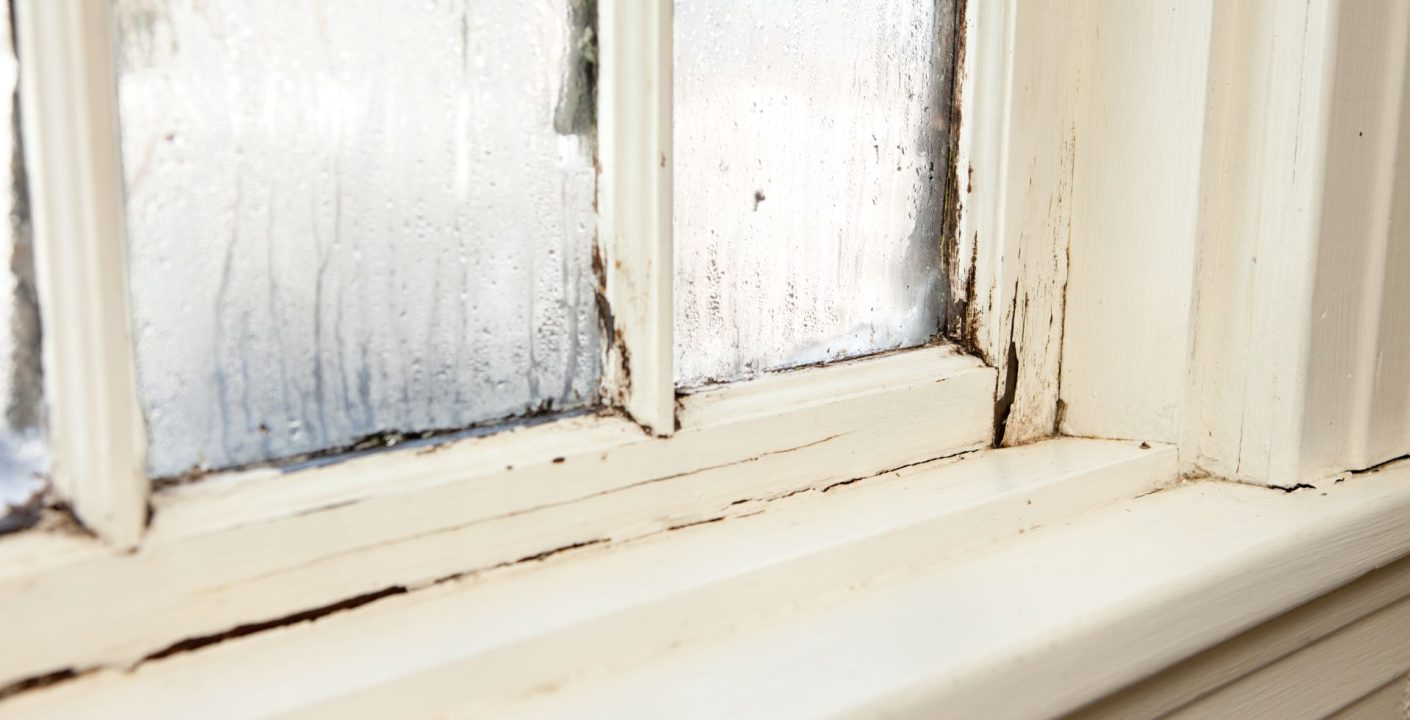
Have you noticed black spots appearing around your windows, damp patches developing on walls or a musty smell returning now the weather has turned colder?
You’re certainly not alone. Mould and damp problems often become much more noticeable during autumn and winter, when colder temperatures, increased rainfall and changes in how we use our homes create ideal conditions for excess moisture.
At North West Dry Rot LTD, we help homeowners across Liverpool and the surrounding region identify and deal with damp, timber and property moisture problems.
Understanding why mould becomes worse during the colder months is the first step towards dealing with the underlying cause.
Why Is Mould More Common in Colder Weather?
Mould needs moisture to grow.
During autumn and winter, several things happen at the same time. Outdoor temperatures fall, windows remain closed for longer, heating is used more frequently and we continue producing moisture through everyday activities.
Cooking, showering, drying clothes and even breathing all add moisture to the air inside your home.
When warm, moisture-filled air meets a colder surface, such as a window or external wall, it can cool and form condensation.
If surfaces remain damp for prolonged periods, this can create conditions where mould is more likely to develop.
Condensation Is a Common Winter Problem
Condensation is one of the most familiar causes of seasonal mould growth.
You might notice water collecting on the inside of windows first thing in the morning or dampness around window reveals and colder external walls.
Small amounts of condensation don’t automatically mean there is a serious property defect. However, persistent condensation shouldn’t simply be ignored.
Repeated moisture can contribute to:
- Black mould growth
- Damaged paint and wallpaper
- Musty smells
- Damp window surrounds
- Deterioration of decorative finishes
- Uncomfortable indoor conditions
Reducing moisture levels and improving ventilation can make a significant difference.
We Keep Our Homes Closed Up During Winter
During summer, doors and windows may be open for hours at a time.
Once temperatures drop, most of us understandably keep them closed to retain heat.
The downside is reduced ventilation.
Moisture generated inside the home has fewer opportunities to escape, increasing humidity levels.
Bathrooms, kitchens and bedrooms can be particularly affected.
Using suitable extractor fans, trickle vents and other ventilation systems can help remove moisture while maintaining a comfortable home.
Drying Clothes Indoors Adds Moisture
Autumn rain often means washing can no longer be dried outside.
Drying clothes indoors can release a considerable amount of moisture into the surrounding air.
If you’re drying washing inside, try to keep the room ventilated and avoid placing wet clothing directly against radiators where possible.
If you use a tumble dryer, make sure it is correctly installed and vented or operated according to the manufacturer’s instructions.
Cold Walls Can Encourage Mould Growth
Have you noticed mould appearing behind wardrobes, sofas or in the corners of bedrooms?
External walls can become particularly cold during winter.
If furniture is positioned tightly against these walls, air circulation can be restricted. Moisture can then remain trapped in the area, creating conditions where mould may develop.
Leaving a small gap between large furniture and colder walls can help improve airflow.
However, if the wall itself is persistently damp, professional investigation may be required.
Not All Damp Is Condensation
This is an important point.
Seeing mould or damp doesn’t automatically mean condensation is responsible.
Moisture problems can also be linked to:
- Leaking pipes
- Roof defects
- Damaged gutters
- Defective pointing
- Water penetration through external walls
- Plumbing leaks
- Problems around windows or doors
- Rising damp in certain circumstances
- Timber decay and associated moisture issues
Treating visible mould without understanding where the moisture is coming from may mean the problem simply returns.
Why Autumn Rain Can Reveal Penetrating Damp
Autumn and winter bring longer periods of rainfall, which can expose weaknesses in the exterior of a property.
Damaged brickwork, cracked render, defective pointing, leaking gutters or roofing problems may allow water to penetrate into the building.
You might notice damp patches becoming worse specifically after heavy rain.
If this happens, it’s important to investigate the exterior of the property rather than assuming the problem is simply caused by condensation.
Mould Can Be a Sign That Something Needs Attention
Mould is often treated as a cleaning problem.
While removing visible mould is important, repeatedly cleaning the same area without addressing the source of the moisture is unlikely to provide a long-term solution.
If the mould keeps coming back, ask why.
Is there enough ventilation? Is the wall particularly cold? Is water entering from outside? Could there be a hidden leak?
Finding the answer can help determine the most appropriate solution.
What Can You Do to Reduce Autumn & Winter Mould?
There are several practical steps homeowners can take to help control condensation and excess moisture:
- Use extractor fans when cooking and showering
- Keep ventilation points clear
- Open windows periodically where appropriate
- Avoid drying large amounts of washing in poorly ventilated rooms
- Keep lids on pans while cooking
- Wipe excessive condensation from windows
- Maintain a reasonably consistent indoor temperature
- Leave airflow around furniture positioned against external walls
- Check gutters, roofing and external walls for obvious defects
These measures can help with everyday condensation, but persistent or unexplained damp may require professional investigation.
What About Dry Rot?
Persistent moisture doesn’t just create conditions for mould.
Excess moisture can also contribute to problems affecting building timbers.
Dry rot is a serious form of fungal timber decay that requires suitable conditions to develop. Once established, it can cause significant damage to structural and decorative timber.
Signs that may warrant further investigation include:
- Timber becoming brittle or crumbly
- Cuboidal cracking in wood
- Fungal growth
- A persistent damp or mushroom-like smell
- Changes in the appearance of floorboards or other timber
- Unexplained damp in areas containing structural wood
If you’re concerned about dry rot or timber decay, professional identification is important.
Don’t Simply Paint Over the Problem
When mould appears, it’s tempting to clean it, repaint the wall and hope that’s the end of it.
If the underlying moisture problem hasn’t been resolved, there’s a good chance the staining or mould will eventually return.
Understanding the cause allows you to treat the problem properly rather than repeatedly covering up the symptoms.
Damp or Mould Getting Worse This Autumn?
If you’ve noticed mould returning, unexplained damp patches or signs of timber deterioration as the weather has become colder, now is a good time to investigate.
At North West Dry Rot LTD, we help homeowners across Liverpool and the surrounding region identify damp, dry rot and timber-related problems and determine the appropriate treatment.
Concerned About Damp, Mould or Dry Rot?
Don’t wait until a small patch becomes a much bigger problem.
Contact North West Dry Rot LTD today to arrange professional advice and find out what’s really causing the moisture in your property.
Find the source. Treat the cause. Protect your property.
